


- June 23, 2026
- Posted by: EWGFX
- Category: news
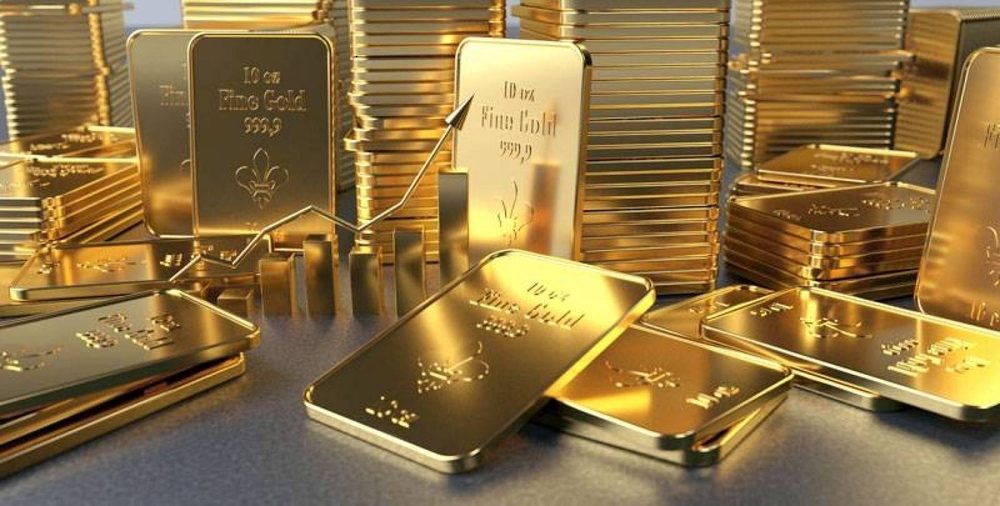
Gold prices fell more than 2% on Tuesday, pressured by a firmer U.S. dollar on expectations of Federal Reserve interest rate hikes this year, while investors assessed U.S.-Iran peace talks, Reuters reported.
Stocks across the globe declined amid concerns over AI-related share valuations and as higher interest rates loomed. Crude fell 1% while the dollar held near a one-year high, making gold less affordable for buyers holding other currencies.
Spot gold was down 2.2% at $4,099.84 per ounce, as of 0753 GMT. U.S. gold futures for August delivery fell 2% to $4,117.70.
Spot silver slumped 5% to $61.90 per ounce, platinum lost 3% to $1,628.55, and palladium was down 2.9% at $1,229.28.
“Gold had received some relief from lower oil prices this week, but it is getting no such favours from the U.S. dollar, which continues to push higher on expectations of Fed rate hikes,” said Tim Waterer, chief market analyst at KCM Trade.
Traders now see an 88% chance of a rate hike in December, up from 61% before the Fed meeting last week, according to the CME FedWatch Tool, as investors price in hawkish monetary policy under new Chair Kevin Warsh. FEDWATCH/
Chicago Fed President Austan Goolsbee said that with the labour market stable, he is focused on figuring out whether too-high inflation will stay that way or recede, as the effects of high tariffs fade, and if the conflict in the Middle East gets resolved.
The U.S. has waived sanctions on Iran for 60 days after the first talks under a nascent peace deal, while officials reported a sustained lull in fighting in Lebanon under the agreement aimed at ending hostilities across the region.
U.S. Vice President JD Vance said talks with Iranian officials in Switzerland had laid a good foundation for a final peace deal, although Iran denied that it had begun discussions of its nuclear programme.
Investors await U.S. Personal Consumption Expenditures data, the Fed’s preferred inflation gauge, due on Thursday, for further cues on monetary policy.