


- July 17, 2026
- Posted by: EWGFX
- Category: news
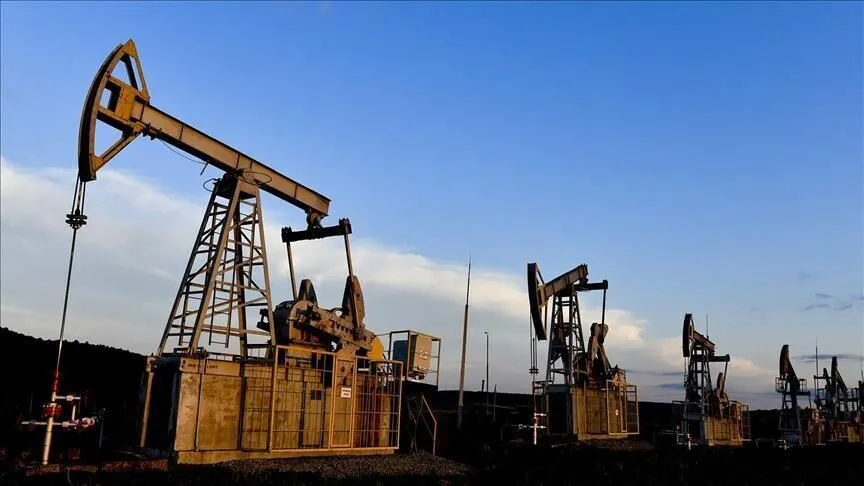
Oil prices are on track for a weekly gain of more than 13% as escalating tensions between the United States and Iran revived concerns over potential disruptions to crude supplies through the Strait of Hormuz.
International benchmark Brent crude traded at $86.38 per barrel at 3.58 p.m. local time (1258 GMT), up 13.6% from last Friday’s close of $76.01.
US benchmark West Texas Intermediate (WTI) traded at $80.94 per barrel, rising 13.3% from $71.41 a week earlier.
Brent climbed from around $80 per barrel at the start of the week to above $84 on Friday, while WTI also posted strong gains as investors priced in a higher geopolitical risk premium amid concerns that escalating hostilities could threaten regional energy infrastructure and oil shipments.
Market sentiment was largely shaped by a sharp deterioration in US-Iran relations. Washington carried out multiple rounds of strikes against Iranian targets throughout the week, while Tehran responded with attacks targeting US-linked military facilities and strategic assets in the Gulf region.
Concerns intensified after Iran announced the closure of the Strait of Hormuz “until further notice,” although US officials disputed the claim.
Oil prices gained additional support after US President Donald Trump warned that Washington could eventually target Iran’s energy infrastructure if Tehran failed to return to negotiations.
Analysts said the possibility of attacks on energy facilities in the Gulf significantly increased the geopolitical risk premium in crude markets, with some warning that a broader disruption to regional oil flows could push Brent prices toward $100 per barrel.
The conflict also weakened expectations for a diplomatic breakthrough that had previously supported hopes for safer shipping through the Strait of Hormuz and a normalization of regional oil supplies.
- Diplomatic contacts between Washington and Tehran limit gains
However, gains were limited by signs that diplomatic channels between Washington and Tehran remain open.
White House Press Secretary Karoline Leavitt said Iran continues to communicate with the US and has expressed interest in reaching a nuclear agreement despite recent military strikes, easing fears that the conflict could escalate into a prolonged disruption of regional energy flows.
- Crude stays within $70-$90 range
Meanwhile, concerns over weakening global oil demand, ample supplies and expectations that major supply disruptions have yet to materialize weighed on prices.
Despite heightened geopolitical tensions, oil prices largely remained within the $70-$90 per barrel range throughout the conflict, suggesting that investors do not yet expect a prolonged disruption to global crude flows. Market participants noted that global supplies remain relatively well balanced and that physical oil markets continue to be adequately supplied for now.
Additional pressure came from concerns that higher energy costs could weigh on global economic growth and fuel consumption. The International Monetary Fund (IMF) said softer demand, increased production and releases from strategic oil reserves have helped prevent a sharper rise in prices, although it warned that these buffers are gradually shrinking.
- Monetary policy remains in focus
Monetary policy expectations also remained in focus during the week. While concerns over tighter US Federal Reserve policy weighed on sentiment earlier in the week, softer-than-expected US inflation data later reinforced expectations that the Fed could delay additional interest-rate increases, providing some support to the demand outlook.