


- August 13, 2026
- Posted by: EWGFX
- Category: news
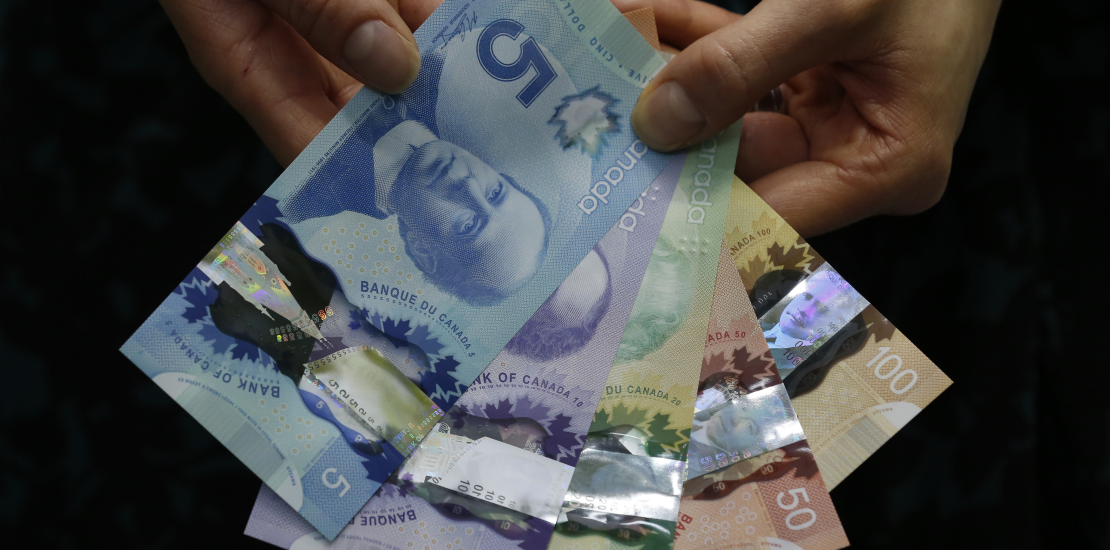
USD/CAD trades around 1.3940 on Thursday at the time of writing, virtually unchanged on the day. The pair remains caught between two opposing forces: the US Dollar (USD) weakens following softer-than-expected US data, while the Canadian Dollar (CAD) struggles amid falling Oil prices.
Pressure on the Greenback intensified following the release of the United States (US) Producer Price Index (PPI). Producer prices were unchanged on a monthly basis in July, following a revised 0.1% decline in June and compared with the 0.2% increase expected by markets. On an annual basis, the PPI slowed sharply to 4.7% from 5.5% in June, below the 4.9% market consensus. Underlying inflationary pressures also show signs of moderation. The core PPI, which excludes more volatile components, rose 0.2% MoM in July, following a revised 0.4% increase in June and below the 0.3% expected. On an annual basis, the indicator slowed to 4.2% from 4.7% previously.
These figures reinforce the disinflationary signal delivered by Wednesday’s Consumer Price Index (CPI) data. The simultaneous easing in consumer and producer inflation reduces pressure on the Federal Reserve (Fed) to maintain a restrictive monetary policy stance.
US labor market data released on Thursday also provide limited support to the US Dollar. Initial Jobless Claims rose to 209K for the week ending August 8, up from 200K in the previous week and above the 202K expected. Continuing Jobless Claims, however, declined by 22K to 1.777M for the week ending August 1.
Against this backdrop, US Treasury yields declined, while the US Dollar Index (DXY), which tracks the value of the Greenback against a basket of six major currencies, slipped back below the 100 mark after reaching a two-week high earlier on Thursday. The US two-year Treasury yield trades around 4.14%, its lowest level since July 17.
However, US Dollar weakness is not enough to trigger a significant decline in USD/CAD. The Canadian Dollar remains under pressure as West Texas Intermediate (WTI) US Oil falls back below $80 on Thursday at the time of press. As Canada is a major Oil exporter, lower energy prices tend to weigh on its currency.
Geopolitical risks could nevertheless limit the downside in Oil prices. US President Donald Trump said that the United States (US) has “total control” over the strategic waterway amid persistent tensions between Washington and Tehran and stalled diplomatic talks. The Trump administration is also seeking to increase economic pressure on Iran, including through broader sanctions and measures aimed at restricting Iranian Oil exports.
USD/CAD therefore remains close to equilibrium around 1.3940, as easing US inflation, higher jobless claims and falling Treasury yields weigh on the US Dollar, while weaker Oil prices simultaneously put pressure on the Canadian Dollar.