


- February 5, 2026
- Posted by: EWGFX
- Category: news
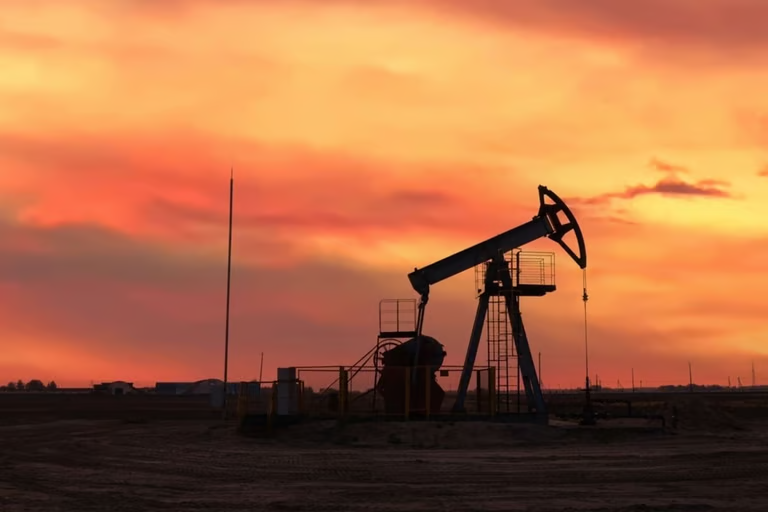
Roughly one-fifth of global oil consumption flows through the Strait of Hormuz, located between Oman and Iran.
Oil prices slid more than 1.5 percent on Thursday after the United States and Iran agreed to hold talks in Oman on Friday, easing fears that a possible military confrontation could disrupt supplies from the key Middle Eastern producer.
As of 5:35 GMT, Brent crude futures dropped $1.55, or 2.23 percent, to $67.91 a barrel, while U.S. West Texas Intermediate crude fell $1.48, or 2.27 percent, to $63.66 a barrel.
Oil prices jumped roughly 3 percent on Wednesday after a media report suggested that planned talks between the United States and Iran on Friday might collapse. Later in the day, however, officials from both sides said the talks would proceed as scheduled, although the agenda has yet to be finalized.
Despite the confirmed talks, the two sides remain far apart on the scope of the discussions. Iran is willing to talk about its nuclear program, including uranium enrichment, with Western nations, while the U.S. also seeks to address Iran’s ballistic missile program, its backing of armed proxy groups across the Middle East and its domestic human rights record.
Despite the upcoming talks, concerns also persist that U.S. President Donald Trump may still follow through on threats to strike Iran, OPEC’s fourth-largest producer, potentially triggering a broader conflict in the oil-rich region. Beyond the risk of disrupted Iranian output, there are also worries that exports from other Gulf producers could be impacted.
Roughly one-fifth of global oil consumption flows through the Strait of Hormuz, located between Oman and Iran. Key OPEC members, including Saudi Arabia, the United Arab Emirates, Kuwait and Iraq, transport most of their crude through the strait, along with Iran itself.