


- June 5, 2026
- Posted by: EWGFX
- Category: news
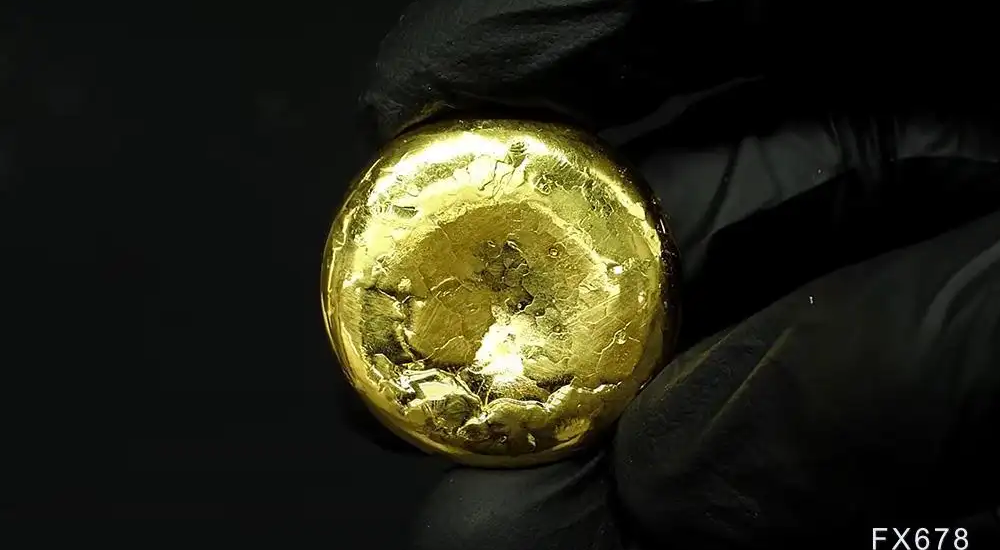
Geopolitical factors have driven up inflation, delaying the timing of gold’s breakout, leading institutions to revise down their gold and silver price forecasts for the year.
Carsten Fritsch, commodities analyst at Commerzbank, assessed that ongoing hostilities in Iran continue to fuel global inflation. However, expectations of Federal Reserve rate hikes have constrained gold prices in the near term, delaying any potential breakout from its current trading range.
In response to shifting interest rate expectations, institutions have revised down their year-end gold price targets. Nevertheless, the structural fundamentals underpinning gold prices over the medium to long term remain solid. Silver price forecasts have also been lowered due to weakening industrial demand, though a tight supply-demand balance continues to support higher forward prices.
Unusual Market Dynamics: Geopolitical Tensions and Inflation Fail to Boost Gold; Prices Remain Range-Bound Under Pressure
Fritsch noted that since the outbreak of conflict in Iran, gold price movements have deviated from traditional fundamental patterns. Despite rising energy prices pushing up inflation and heightened geopolitical tensions in the Middle East—conditions typically favorable for gold as a classic inflation hedge and safe-haven asset—gold has not attracted significant safe-haven inflows. Instead, prices have entered a period of weak consolidation.
The primary driver behind this anomaly is that surging oil prices—triggered by geopolitical risks—have fundamentally shifted market expectations regarding U.S. monetary policy. This has raised the implicit holding cost of non-yielding gold, thereby dampening short-term buying interest.
Sharply Revised Rate Expectations Limit Gold’s Near-Term Upside Potential
Prior to the conflict, markets broadly anticipated 50 basis points of Fed rate cuts over the year, which would have supported precious metals pricing. However, Brent crude prices rose due to geopolitical disruptions, reigniting inflation concerns and altering market pricing dynamics. Federal funds futures now imply an expected year-end policy rate of 3.8%, compared to the current effective rate slightly above 3.6%. Markets have fully priced in a rate hike this year, with a 25-basis-point increase in spring 2027 also fully discounted. According to CME Group’s interest rate tools, the probability of a December rate hike has surpassed 50%.
As a result, Commerzbank has lowered its year-end gold price target from USD 5,000 per ounce to USD 4,800 per ounce. Spot gold currently trades around USD 4,440 per ounce, implying approximately 8% upside potential relative to the revised target. Under the institution’s base-case scenario, the Strait of Hormuz will resume normal operations after a two-month buffer period, leading to a decline in crude oil prices and a subsequent cooling of rate-hike expectations—creating conditions conducive to a sustained gold price breakout.
Medium- to Long-Term Fundamentals Unchanged; 2027 Gold Price Target Remains Elevated
Fritsch added that Commerzbank’s fundamental research team does not expect the Fed to implement a rate hike this year. Their baseline forecast assumes the policy rate will remain unchanged, with the first cut delayed until Q2 2027. Consequently, they maintain their long-term projection of gold reaching USD 5,200 per ounce by the end of 2027.
Central banks across multiple countries continue to increase their gold holdings due to concerns over the safety of U.S. dollar-denominated reserve assets. Coupled with rising government debt levels and a relatively accommodative monetary environment, these core long-term drivers supporting gold prices remain unchanged.