


- March 11, 2026
- Posted by: EWGFX
- Category: news
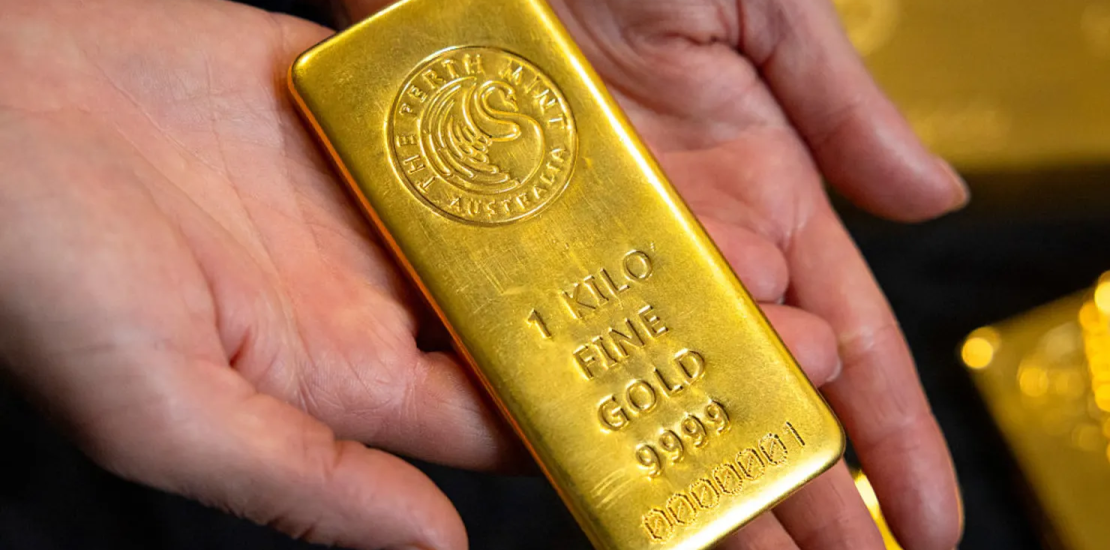
Gold steadied on Wednesday, as higher oil prices reignited inflation worries and tempered hopes of rate cuts, while safe-haven demand amid the ongoing U.S.-Israeli war on Iran limited losses.
Spot gold
was down 0.1% at $5,186.02 per ounce. U.S. gold futures
for April delivery fell 0.9% to $5,194.10.
“After yesterday’s fall, oil is rebounding today, confirming that tensions are not yet over. In the last few days gold prices have not moved significantly, holding well above $5,000,” said Swissquote analyst Carlo Alberto De Casa, adding that a rise in the dollar and benchmark 10-year U.S. Treasury yields was also pressuring bullion.
A stronger dollar raises the cost of gold for overseas buyers, while higher Treasury yields reduce the appeal of non-yielding bullion.
Oil prices rebounded as markets doubted whether the International Energy Agency’s reported plan for a record release of oil reserves could offset potential supply shocks from the Middle East conflict.
The U.S. and Israel traded air strikes with Iran as the war entered its second week, effectively shutting the Strait of Hormuz, a chokepoint for a fifth of global oil and liquefied natural gas.
“It seems likely to me that investors are now increasing their exposure to the precious metal as a safe-haven asset,” De Casa added.
Markets now await the U.S. consumer price index for February, due later in the day, and the Personal Consumption Expenditures (PCE) index, the Federal Reserve’s preferred inflation gauge, on Friday.
Consumer prices likely picked up in February as the cost of gasoline increased, and with the conflict driving up oil prices, a further rise in inflation is expected in March.