


- October 20, 2025
- Posted by: EWGFX
- Category: news
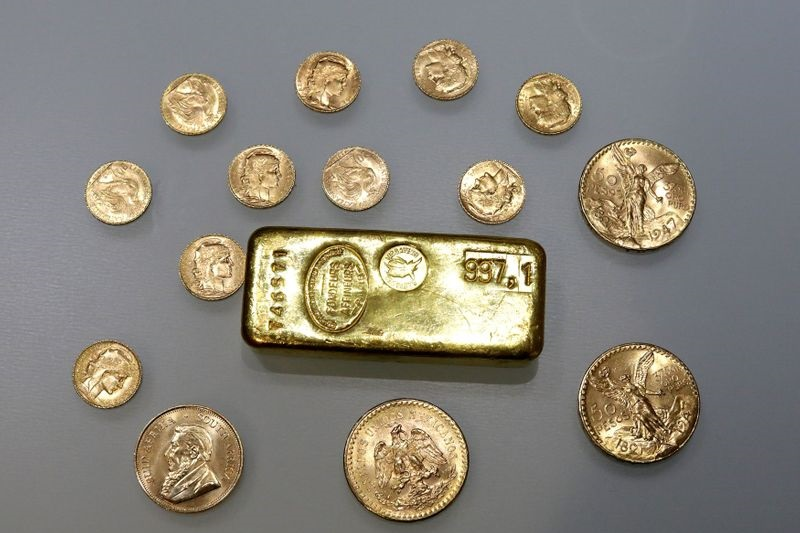
Gold has hit nearly 50 all-time highs this year, cementing its status as one of the strongest performers in global markets.
According to strategists at RBC Capital Markets, the rally is not merely the product of supportive macroeconomic conditions — it’s being driven by a “compounding uncertainty” that continues to intensify. This persistent unease, they say, has reinforced gold’s role as a hedge, safe haven, and portfolio diversifier.
RBC’s team, led by Christopher Louney, pointed to several factors feeding this climate of doubt: political tensions surrounding a potential U.S. government shutdown, renewed U.S.-China trade friction, worries about Federal Reserve independence, fiscal strains, inflation fears, and concerns about currency debasement. Together, these issues have prompted investors to increase their gold allocations.
Even small portfolio rotations out of bonds and equities, the strategists noted, can have an outsized effect on the gold market, as modest shifts in global asset flows translate into significant physical demand.
While comparisons are being made to past major rallies, RBC observes that the current run — lasting roughly 700 days — remains shorter than previous cycles that extended beyond 1,000 days, suggesting that further upside would not be unprecedented.
The firm has raised its price forecasts, setting a base-case target of $4,227 per ounce in Q4 and $4,427 in 2026, with a high-case range of $4,963 in Q4 to $5,108 next year. RBC no longer considers a move above $5,000 unlikely and expects prices to trade mainly between its revised base and high scenarios.
Despite the steep rise, investor positioning does not appear overstretched. Gold-backed ETP holdings have yet to reach record highs in tonnage terms, and managed money positions still have “room to run.” Interest in upside options also remains strong.
Conversations with asset managers suggest gold’s share in diversified portfolios — traditionally capped around 5% — is now being openly discussed in the 5–10% range, with little evidence of profit-taking.
Central banks continue to provide strong support, with official sector purchases projected to exceed 850 tons this year. RBC describes these as strategic rather than tactical, noting that gold is increasingly viewed as a core reserve asset, sometimes ranking above euros or U.S. Treasuries on central bank balance sheets.
While elevated prices may dampen consumer demand in India and China, cultural affinity for gold and expectations of further gains are likely to sustain interest. Meanwhile, scrap supply may remain subdued as holders delay selling.
RBC does not rule out a temporary consolidation similar to the mid-April to mid-August pause but says a deeper correction would require a sharp improvement in macro conditions and a collapse in uncertainty — neither of which seem imminent.
As the strategists summed it up:
“Bubbles do tend to pop, but they also manage to float — and for now, gold still appears buoyant.”