


- June 22, 2026
- Posted by: EWGFX
- Category: news
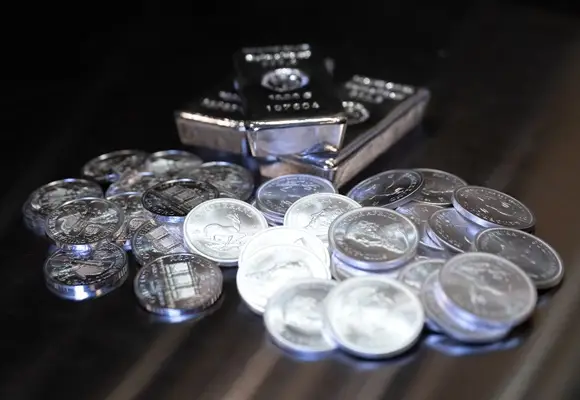
Silver is entering an exceptionally sensitive phase in the global market cycle, where geopolitical developments intersect with monetary and economic variables in ways that make forecasting the white metal more challenging than ever.
Next
Although silver has managed to hold near the $63-per-ounce level following a wave of selling pressure, current price movements cannot be analysed from a purely technical perspective.
Instead, they must be viewed within a broader framework that includes tensions in the Middle East, the future of U.S.–Iran relations, global inflation trends, and the trajectory of U.S. monetary policy in the months ahead.
In my view, the most influential factor affecting silver at present is the diminishing optimism surrounding the possibility of a lasting agreement between the United States and Iran.
As doubts over the diplomatic path increase, so do the chances of prolonged tensions in a region that serves as a critical artery for global energy supplies. The impact extends beyond oil prices, influencing inflation expectations and commodity and metals markets more broadly. When inflation risks rise due to potential disruptions in oil supply, investors tend to reassess their portfolios and seek assets capable of preserving value against the erosion of purchasing power.
I also believe that recent statements by U.S. President Donald Trump regarding the possibility of direct military strikes against Iran if regional escalation continues have injected a new layer of uncertainty into the global landscape. Markets, by nature, dislike uncertainty above all else. Consequently, any indication of an expanding conflict or stalled negotiations typically increases demand for defensive assets and safe-haven investments. While gold remains the traditional first choice in such circumstances, silver often benefits from these investment flows as well, particularly when geopolitical risks coincide with rising inflation concerns.
However, the outlook for silver is not entirely positive. Fundamentally, I continue to see the U.S. Federal Reserve’s restrictive monetary stance as one of the greatest challenges facing the metal. Although the Fed recently kept interest rates unchanged, it sent a clear message that inflation remains a concern and that further rate hikes have not been completely ruled out. In my assessment, these signals may have a greater impact on silver than the rate decision itself, since markets tend to react more strongly to future expectations than to current events.